

29 Years of Transportation Mapping Experience
DGT’s story in the transportation sector begins at the Big Dig in the early nineteen-nineties—one of the most complex infrastructure projects in American history—where our founders met, our leadership team collaborated, strengthened their expertise, and forged the spirit of partnership that still defines how we work today. That experience shaped an approach we’ve carried into every project since: subsurface utility expertise, construction layout, cutting-edge field technology, and surveying rigor that gives owners, contractors, and communities confidence that what gets built will last.
From DOTs and regional authorities to airports and some of the nation’s busiest corridors, we’ve grown into a trusted partner across the full spectrum of transportation infrastructure. We understand what’s at stake. It’s how people get to work, how families stay connected, how communities thrive.

Surveying
High-resolution survey data establishes the baseline for informed engineering and design decisions.
- Existing Conditions Surveys
- Topographic Mapping
- Right-of-Way Mapping
- Flood Zone Surveys
- As-Built Surveys
- Construction Layout
- Deformation Monitoring Surveys
- Earthwork Volume Surveys
- 3D Laser Scanning (Ground-Based LiDAR)
- Site Documentation 2D CAD Drawings
- Roadway Mapping
- Deformation Monitoring
- Construction Layout

SUE/SUM
Complex transportation and infrastructure projects demand verified insight below the surface. Our utility mapping services align with CI/ASCE 38-22 standards, helping reduce uncertainty in underground construction and prevent costly utility conflicts.
- Subsurface Utility Engineering & Mapping to CI/ASCE 38-22 Standard
- Compilation & Analysis of Subsurface Utility Records
- Remote Sensing Technologies for Subsurface Investigation
- Ground-Penetrating Radar (GPR) Surveys
- Electro-Magnetic Line Detection & Tracing
- Utility Mapping in BIM/Revit & 2D/3D CAD
- GIS Integration
Surveying the Systems That Move Communities
Project Spotlight
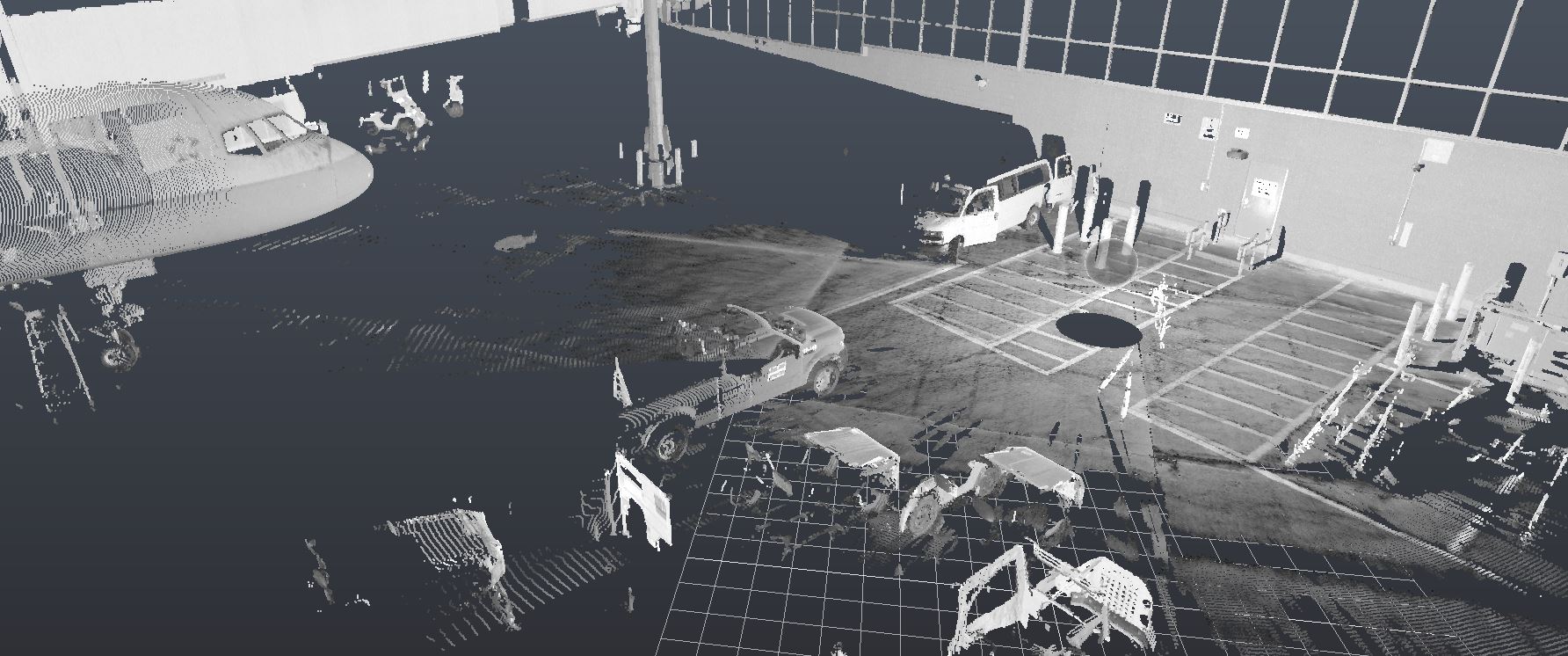
Logan Airport – Boston, MA
DGT has supported Logan Airport’s modernization for more than 20 years, providing subsurface utility mapping, deformation monitoring, and construction survey support for major capital projects, including Terminal A and the Hilton Hotel. From airfield infrastructure to the precise layout of taxiway guidance markings, our work helps keep New England’s busiest airport operating safely and efficiently. Runway projects such as 22L/4R and 33L/9R represent just a few of the many projects DGT has completed at Logan, and our partnership with Massport continues across multiple facilities today.
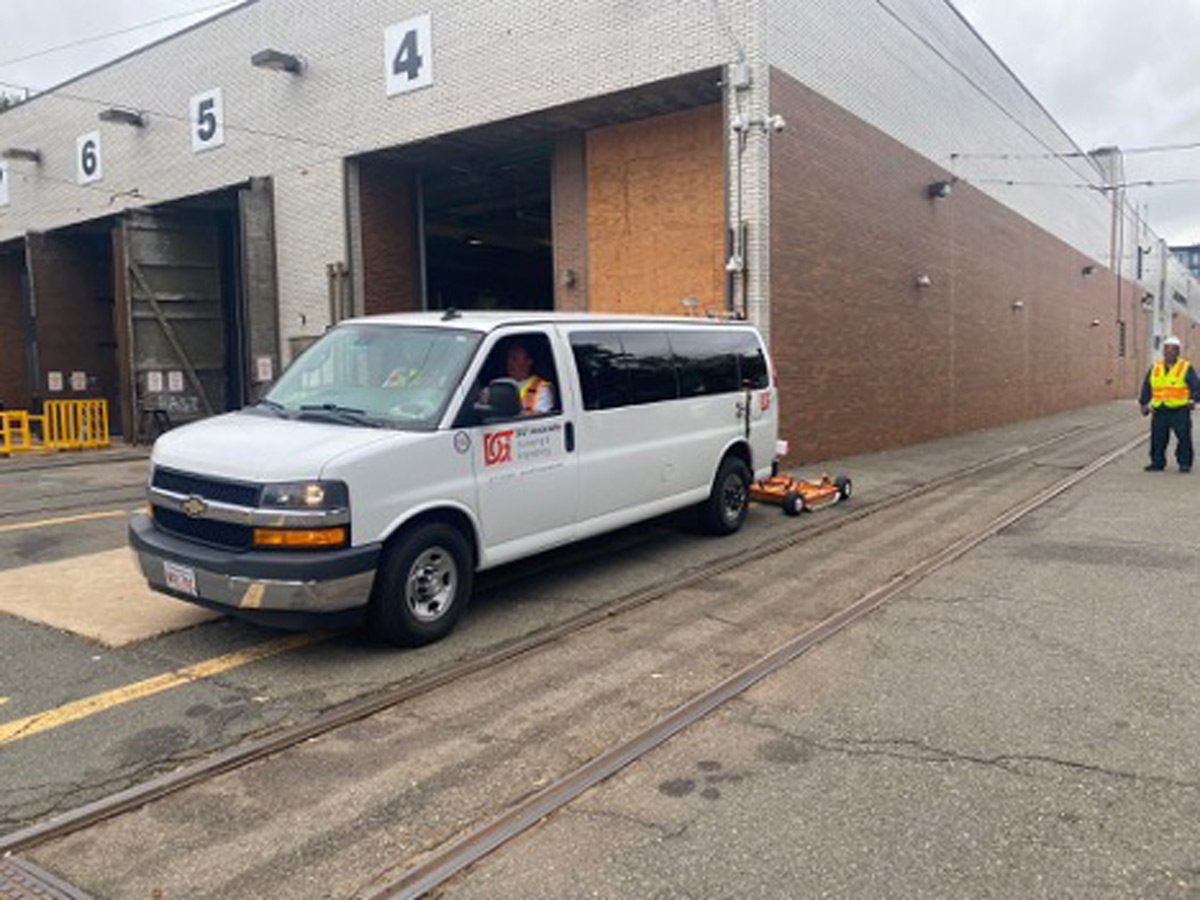
MBTA Reservoir Carhouse – Brookline, MA
At one of the MBTA’s busiest and most congested light rail facilities, DGT provided subsurface utility investigation and mapping to support infrastructure improvements. Because the Reservoir Carhouse has served Greater Boston’s transportation network since 1850, accurate utility documentation was essential for future upgrades.
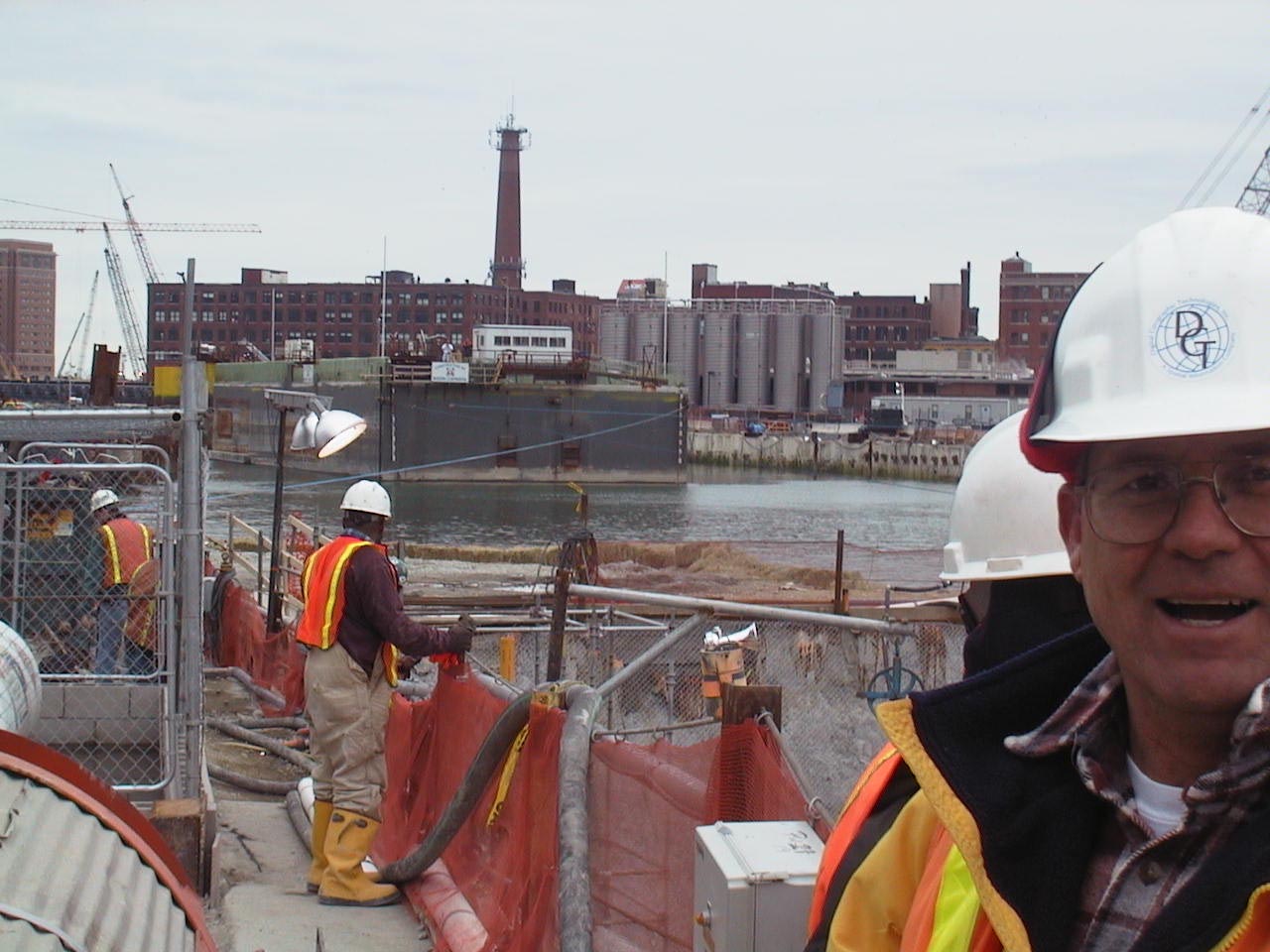
The Big Dig – Boston, MA
Shortly after DGT’s founding, the team was awarded a surveying contract on Boston’s Central Artery/Tunnel Project, commonly known as the Big Dig, the largest highway project in American history. DGT provided roadway surveying through one of the most congested subsurface environments in the country, where generations of utility infrastructure had accumulated beneath some of Boston’s oldest neighborhoods.
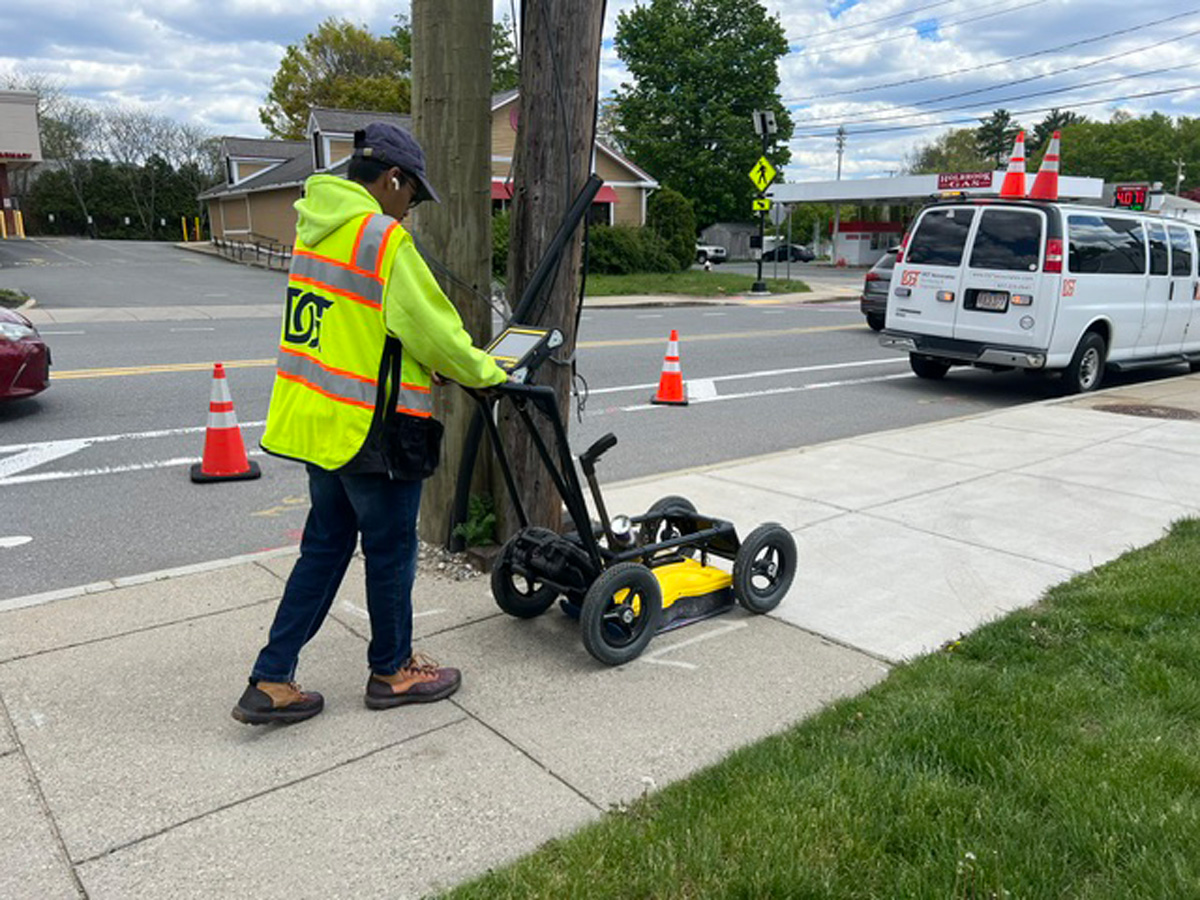
Roadway Mapping – Holbrook, MA
DGT completed subsurface utility mapping along a two-mile section of active state roadway, achieving ASCE 38-22 Quality Level B coverage without a single lane closure or traffic interruption. By combining traditional utility locating with a mobile radar platform, the team was able to collect data safely from within a moving vehicle—and historic highway layout drawings helped identify underground anomalies tied to abandoned infrastructure that no longer appears in current records.
Understanding CI/ASCE 38-22 Quality Levels
DGT’s utility mapping services span all four CI/ASCE 38-22 Quality Levels to match project type and budget.
CI/ASCE 38-22 Quality Level D
Research and compilation of proprietary and public utility records to understand site history and existing documentation. Ideal for early-stage planning with lower financial investment.
CI/ASCE 38-22 Quality Level C
Surface-visible utility features are surveyed and correlated with existing records to improve mapping accuracy.
CI/ASCE 38-22 Quality Level B
Buried utilities are detected and mapped using appropriate geophysical technologies. Data is collected by mapping professionals and delivered in CAD or GIS platforms for design integration.
CI/ASCE 38-22 Quality Level A
The highest level of certainty. Using data from vacuum excavation, DGT captures and documents the results to confirm horizontal and vertical utility location, along with pipe size, depth, material, and condition. This level significantly reduces construction risk and utility strikes.
Advanced Technology That Minimizes Risk and Disruption
DGT is one of the only nationwide geospatial firms that owns and operates advanced remote sensing technologies, enabling our team to capture large project areas daily.
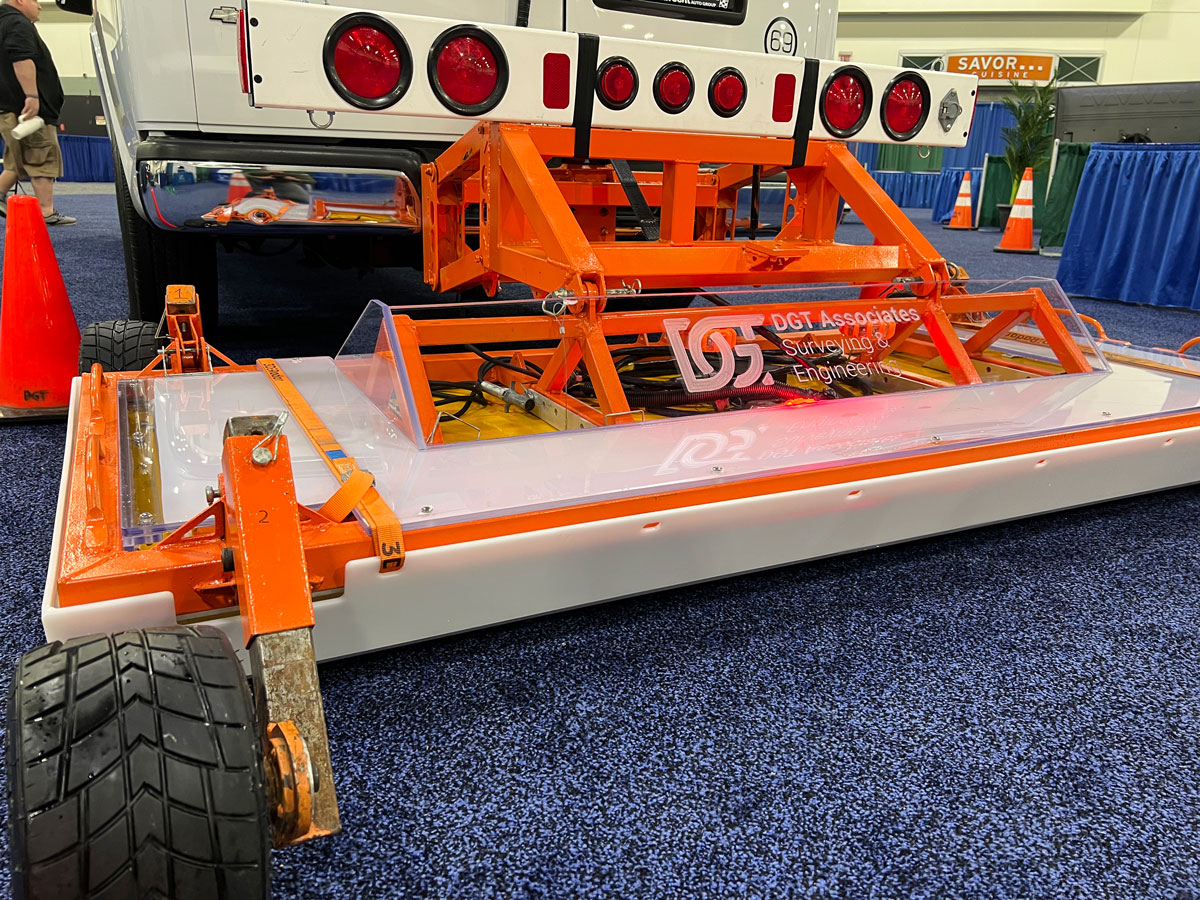
Remote Sensing Technology and Mobile Mapping
Minimizes disruption to pedestrian and vehicular traffic and eliminates the need for police detailing on campuses while extracting high-definition images of the underground. Our technology includes pushcart GPR systems, mobile mapping GPR, EMI (traditional pipe locators), and more.
Radar Tomography
Wide array, multifrequency, high-speed data acquisition technology that provides an extra level of care and detail.

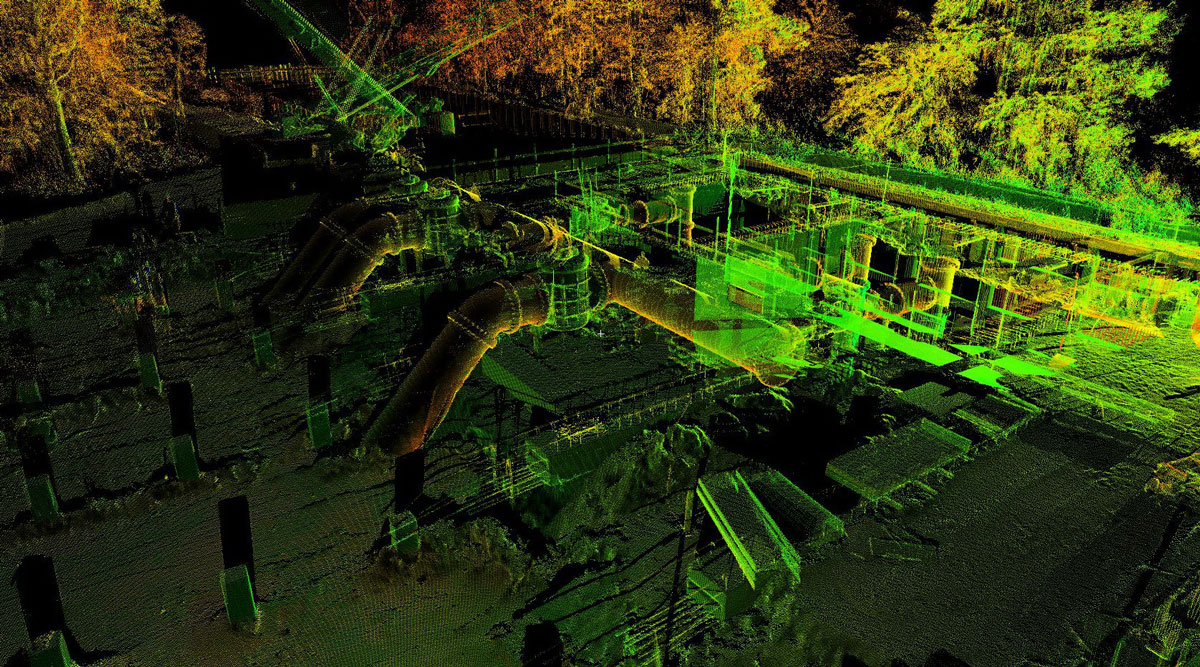
3D Imaging and LiDAR Systems
3D scanners capture a 360-degree picture of the above-ground environment to provide context for underground mapping and allow modeling of existing facilities.
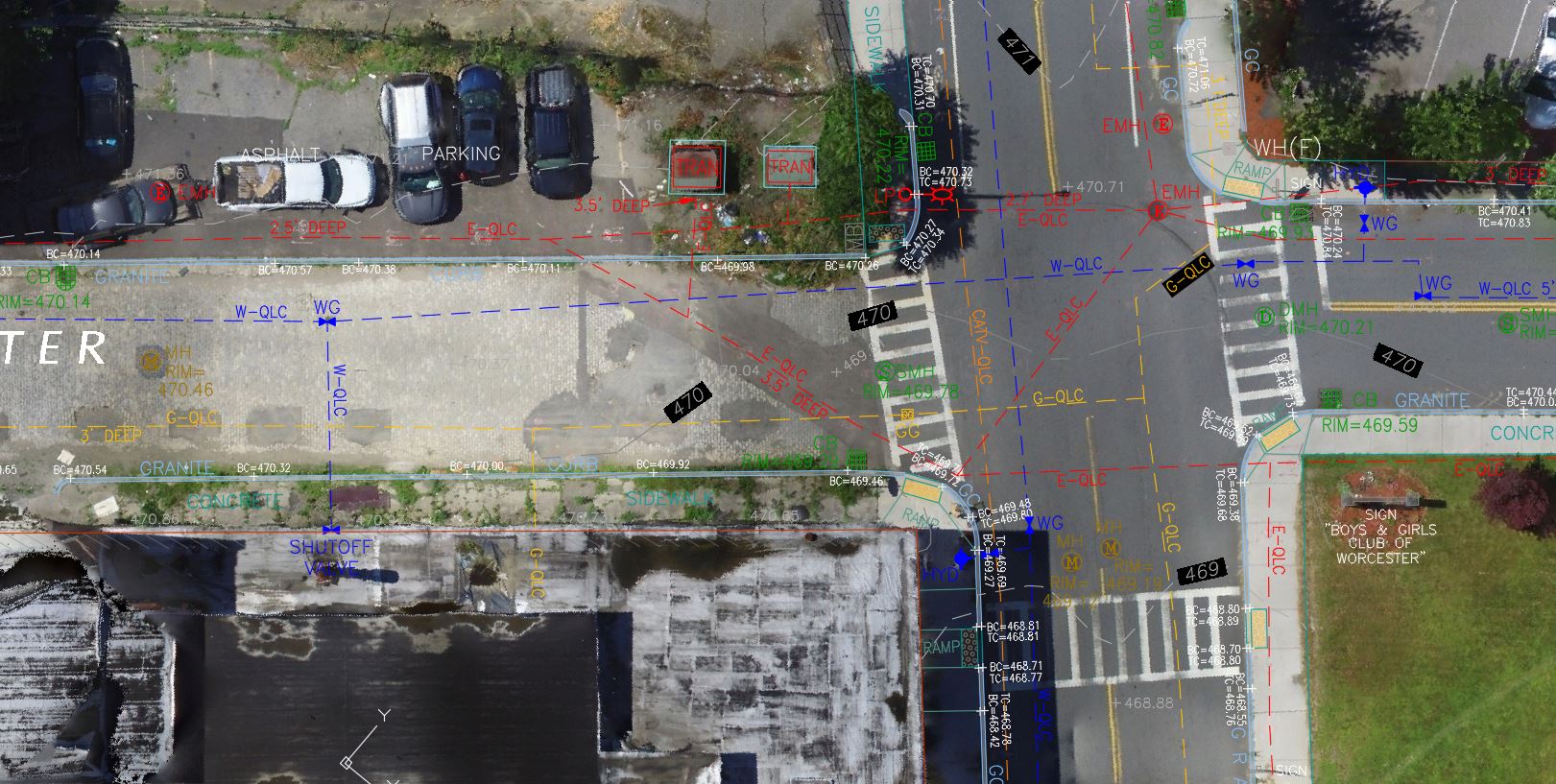
Aerial Imagery
DGT combines imagery with our utility mapping to add perspective and ‘ease of use’ for our clients.

Surveying
A. John Lloyd, PLS
As a licensed Professional Land Surveyor in Maine, Massachusetts, Rhode Island, Kentucky, and Tennessee, John has with more than 35 years of industry experience. At DGT, he oversees operations for projects across central and western Massachusetts, with a particular focus on leading 3D scanning initiatives.
John represents the surveying profession nationally as a member of the Board of Directors for the National Society of Professional Surveyors (NSPS). He is also the current Chairman of the Scholarship and Program Committee for the Maine Society of Land Surveyors (MSLS), where he previously served as President from 2005 to 2007.

SUE/SUM
Michael A. Twohig
Led by Michael A. Twohig, Director of Subsurface Utility Mapping and a globally recognized SUM expert, DGT Associates understands the complex impact of underground environments on planning and infrastructure improvement projects.
Michael brings more than 40 years of global experience in professional utility locating and mapping, underground damage prevention, industry safety awareness programs, and a passion for educating colleagues in the industry on every project he leads.